Licensed Hazardous Tree Safety First
Learn About Key Arboriculture Techniques for Ideal Tree Well-being
Knowing how to care for trees is vital for keeping the surroundings healthy. Important techniques including mulching and trimming are vital factors in promoting tree vitality. Additionally, proper watering techniques are critical for developing strong roots. However, most people miss the indicators of tree illness and the importance of hiring professionals. Investigating these factors can result in a better understanding for arboriculture and trees. How can someone ensure to make sure their trees flourish?
Understanding the Importance of Tree Health
Understanding the importance of tree health is vital, as trees play a significant role in maintaining ecological balance and improving city settings. Healthy trees contribute to air quality, give shelter, and provide refuge for nature. Trees also assist in reducing global warming by absorbing CO2, making them essential for long-term ecological health.
In city environments, well-maintained trees look better, boost real estate worth, and foster neighborhood health. Their presence can reduce heat island effects in cities, leading to lower energy costs.
Neglecting tree health, in contrast, can result in disease, bug invasions, and weakness in structure, presenting hazards to the trees and nearby structures alike. Therefore, knowing the markers of tree well-being, such as leaf coloration, growth patterns, and bark condition, is vital for effective management. Ultimately, promoting tree health helps more than individual landscapes but the entire environment as well, emphasizing the need for preventative maintenance and care methods.
Essential Pruning Techniques

Cutting branches is a vital method in tree care that promotes strong growth and vitality, as it takes away unhealthy branches and improves air circulation within the canopy. Using the right methods makes certain that trees can grow well in their setting.
An essential practice is "thinning," which requires careful branch removal to allow more light through and decrease stress on weaker parts. 'Heading cuts' is one technique, where the terminal buds are removed to stimulate lateral branching, especially in young trees. Additionally, the process of 'crown reduction' reduces the height and spread of a tree while maintaining its natural shape.
Proper timing is crucial; cutting during the inactive period reduces strain and optimizes healing. Tools should be sharp and clean to avoid damage and the spread of pathogens. Understanding these important pruning techniques is crucial for any tree care professional aiming to maintain healthy and visually appealing trees.
Identifying Common Tree Diseases
How do tree owners identify the symptoms of frequent ailments that put their trees at risk? Familiarity with key indicators is vital for quick spotting and intervention. These often include leaves that are yellowing or drooping, which may suggest fungal infections or a lack of necessary nutrients. Unusual growths, such as galls or cankers, may indicate insects are present or pathogens that weaken the tree. Additionally, peeling bark or oozing sap may indicate infections that need prompt care.
Tree owners should also observe modifications to the tree's appearance, such as branches dying or leaves falling, which might indicate a serious problem beneath the surface. Looking out for insect attacks, such as holes in the bark or frass, is equally important. Through vigilance and promptness, owners are able to spot these frequent ailments and find suitable treatments, making sure their trees stay strong and lively all year long.
The Role of Mulching in Tree Care
Applying mulch is a vital method in tree care, giving various benefits that promote healthy growth and resilience. This technique requires placing a covering of specific material types at the tree's base, helping to keep the soil damp, keeping weeds down, and moderating temperature fluctuations. This insulating layer not only reduces competition from unwanted vegetation but also boosts the visual appeal of the area.
Furthermore, materials like wood chips, like bark or wood chips, gradually decompose, enriching the soil with crucial nutrients and improving its structure. This natural breakdown helps roots establish and promotes a better habitat for the plant. Additionally, applying mulch helps stop soil erosion, thereby stabilizing of the tree’s root system. Appropriately spread mulch must be distributed in a circular pattern, making sure it doesn't touch with the trunk to avoid rotting. In summary, integrating mulch application into tree care routines considerably contributes to the long-term health of trees.
Optimal Watering Methods for Trees
Quality tree upkeep needs more than just mulching but also appropriate watering techniques to ensure optimal growth and health. Trees, especially those recently planted, demand regular water to form solid root networks. Deep watering is essential, as it helps roots push deeper where moisture is steadier. Optimally, trees need roughly one inch of water per week, either via rain or supplemental irrigation.
Watering should be done early in the morning to minimize water loss and fungal diseases. It is important to avoid overwatering, which often causes root decay and related complications. Check the ground for moisture before watering; when the top two inches feel dry, it’s time to water. Furthermore, utilizing drip irrigation or drip irrigation delivers a gradual, continuous stream of water, making sure trees get enough water without the danger of water runoff. Proper watering practices greatly contribute to the general well-being of trees.
Retaining Specialized Tree Care: When and Why
When assessing the condition and aesthetics of a property, engaging expert tree care can be crucial for homeowners who need intricate tree upkeep. Trained arborists hold the expertise to assess tree health, recognize pathogens, and apply successful remedies. Professionals are familiar with local regulations for removing trees and maintenance, ensuring adherence and preventing costly penalties
(Stillwater Tree Service)It is wise for homeowners to engage professionals when dealing with big trees, particularly those near structures or power lines, as improper handling can pose safety risks. Furthermore, trees requiring pruning for aesthetic or health reasons benefit from the skills of trained specialists who can execute precise cuts to promote growth
Periodic maintenance, such as storm preparation and debris cleanup, also require expert help to ensure site security and appearance. Finally, using expert tree care providers ensures optimal tree maintenance, contributing positively to the property's aesthetics and home valuation
Questions and Answers
What Are the Signs if My Tree Is Drowning?
Symptoms of excessive watering are chlorotic leaves, wilting despite moist soil, rotting root systems, and premature shedding of leaves. In addition, the development of mold or fungus near the trunk's bottom can signal slow soil percolation and waterlogged conditions.
When Should I Schedule for Tree Pruning?
The best time for tree pruning is typically late winter to early spring before the onset of new foliage - Stillwater Tree Service. This timing promotes robust regeneration and reduces the tree's strain, facilitating quick recovery and maturation
Do Trees Bounce Back After Significant Weather Events?
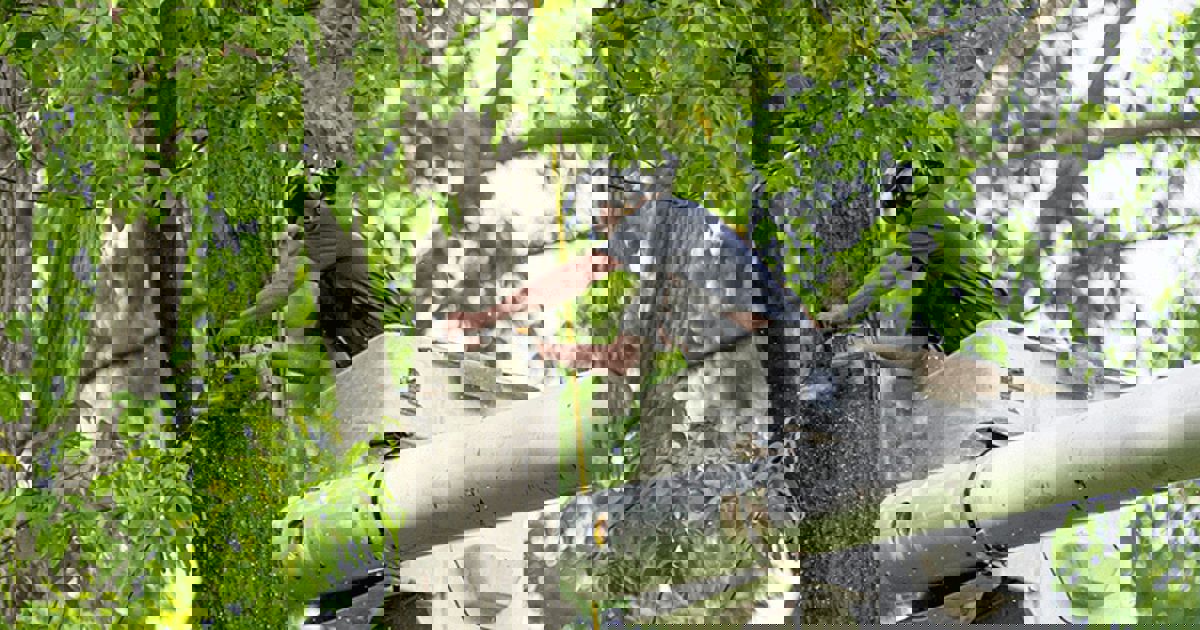
Absolutely, trees are capable of recovering from major storm damage. If maintained correctly, such as pruning damaged limbs and providing adequate water and nutrients, most trees will recover their vitality and flourish once more after experiencing significant stress.
How Do I Choose the Right Mulch for My Trees?
In order to pick the best mulch, it is best to use organic options such as shredded bark or wood chips, guarantee proper depth of 2-4 inches, and avoid piling mulch against the related information trunk to prevent disease.
Are Some Trees Higher Maintenance Than Others?
Certain trees, for instance, new plantings and orchard trees, need extra maintenance because they react strongly to environmental shifts and specialized fertilization demands. Frequent checking and specific upkeep methods are vital for their condition and flourishing.